The Future of Diamonds: a panel report from VicenzaOro
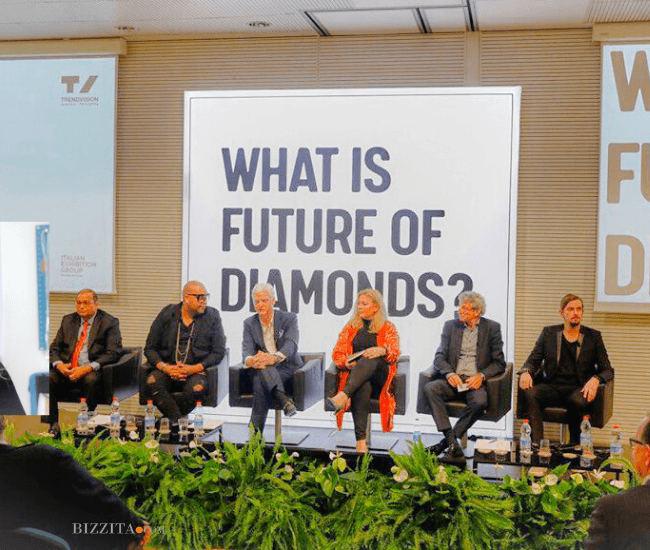
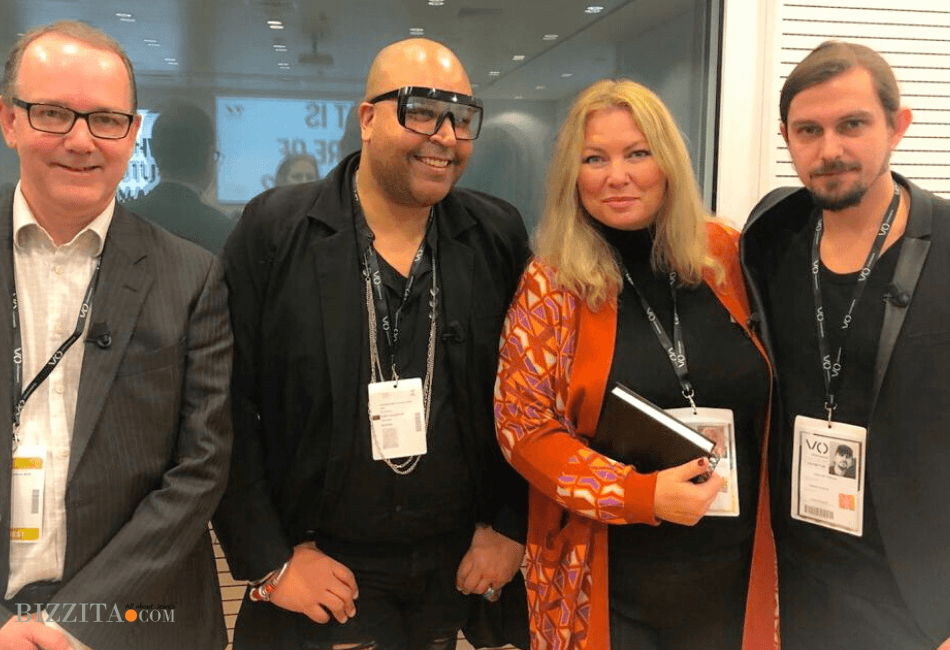
Talking about the future of diamonds is exciting enough. But talking about it in front of an expert audience is rather challenging. After a short while on stage, I got so engaged in the Talk that I forgot all about the nerves. It helped to see friendly faces in the audience: many people I knew from the jewelry business, journalist and blogger peers, designers such as Alessio Boschi, and others who were all looking encouraging and ready to hear what we had to say. There really was a vivid, vibrant, exciting mood in the room.
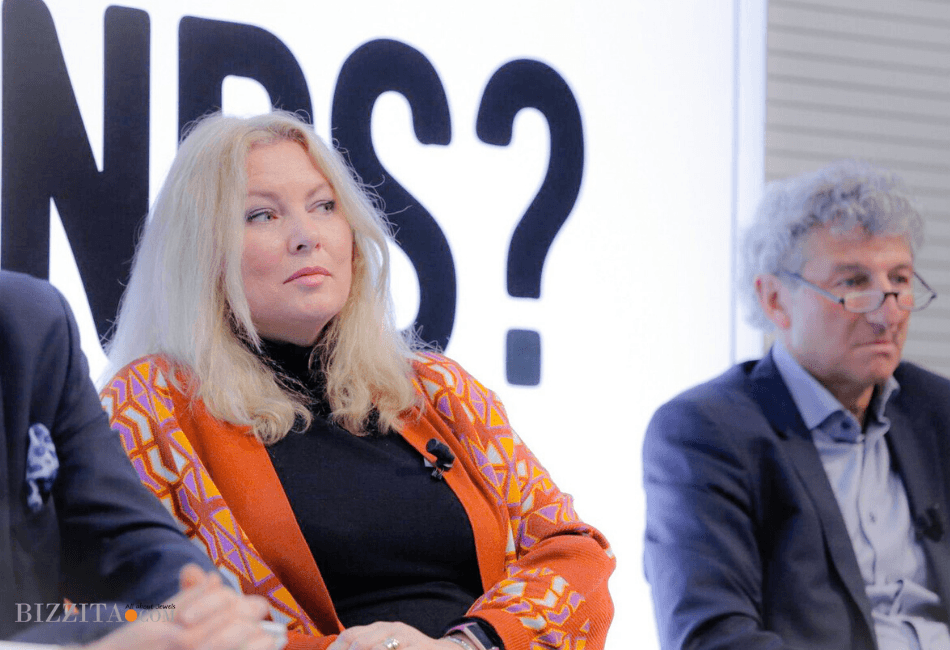
The panel on the future of diamonds
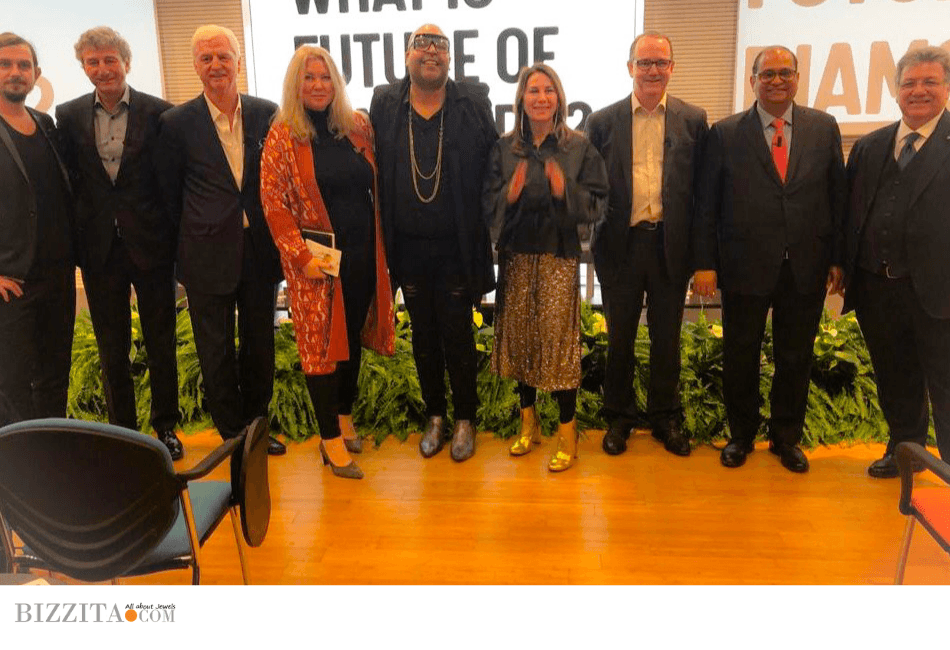
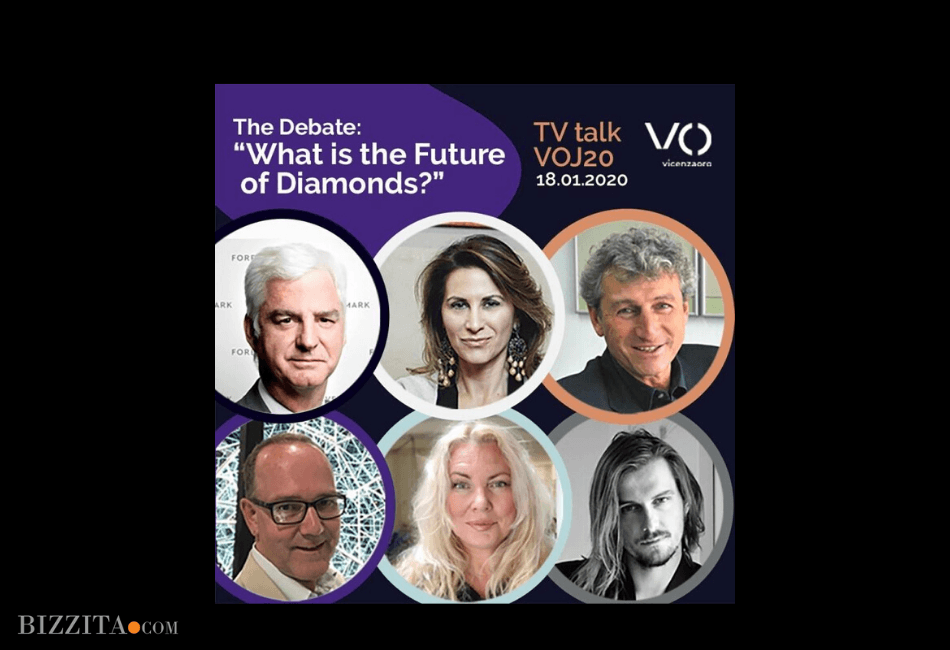
The panel consisted of important players within the jewelry and diamond business.
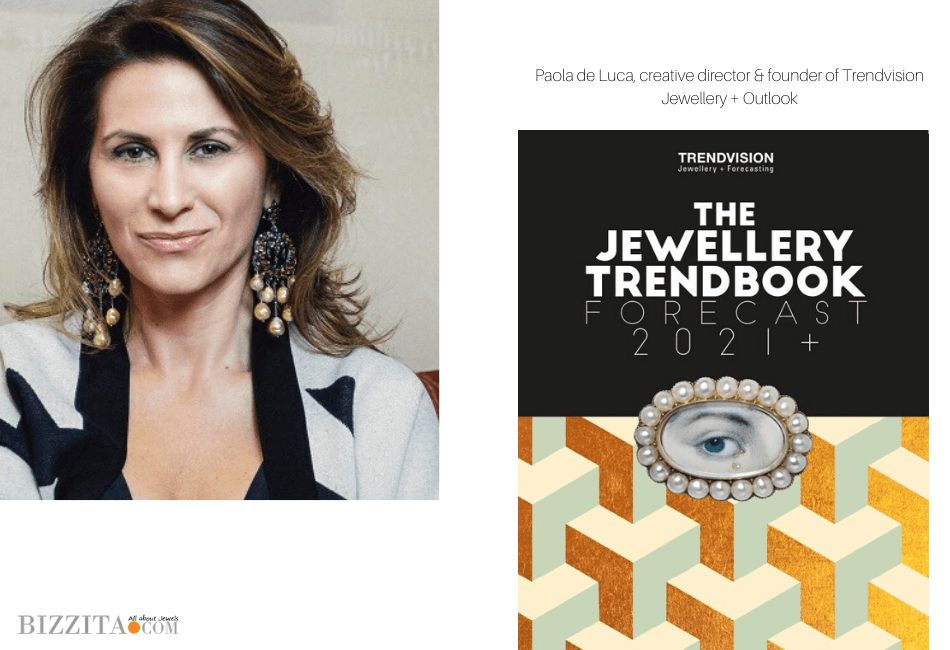
- Paola de Luca, creative director and founder of Trendvision Jewellery + Outlook
- David Brough, moderator, editor and co-founder of Jewellery Outlook
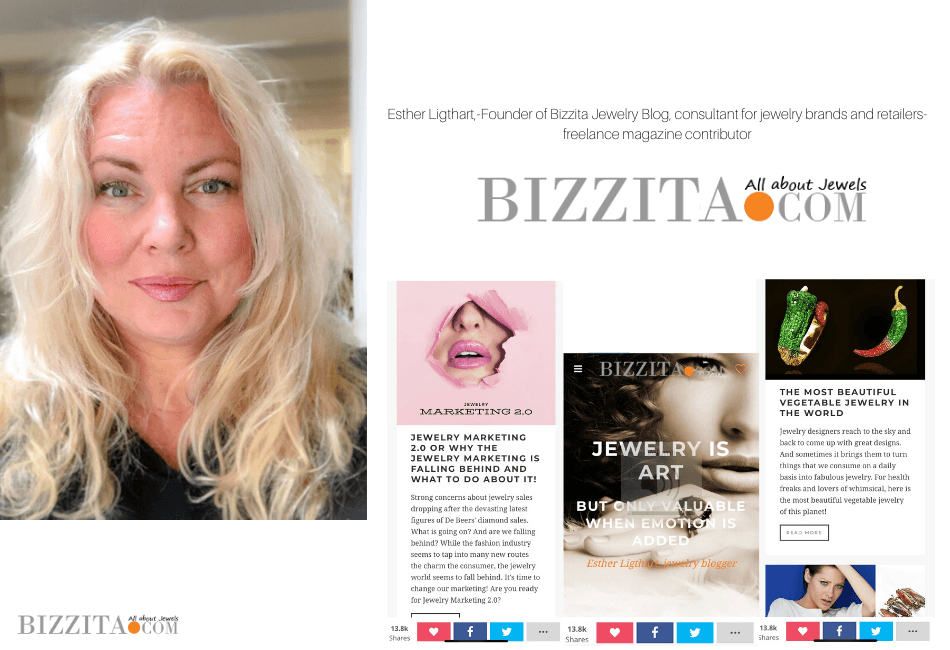
- Esther Ligthart, consultant, editor and founder of Bizzita.com
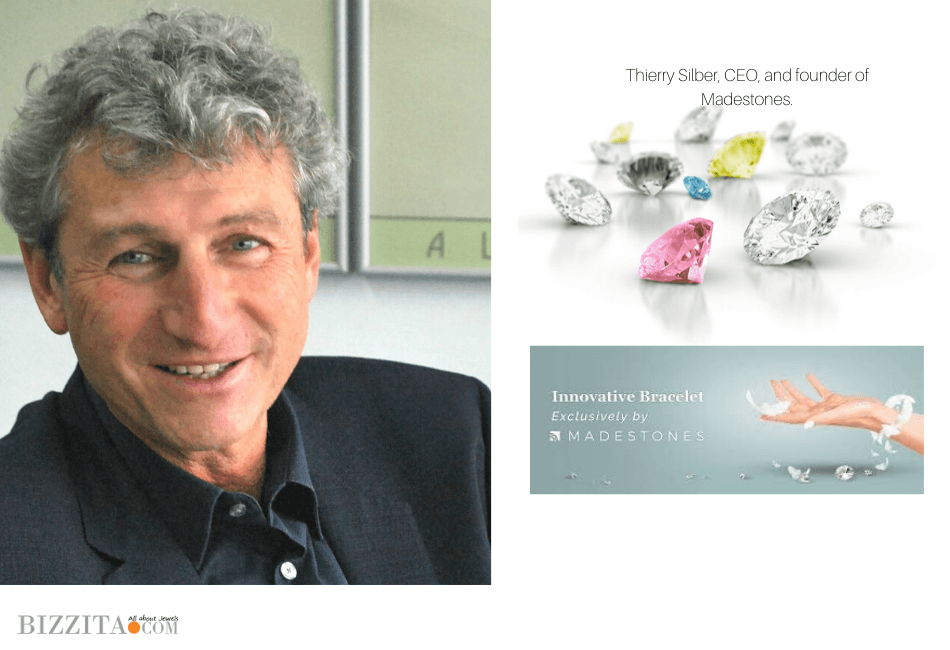
- Thierry Silber, CEO and founder of Madestones
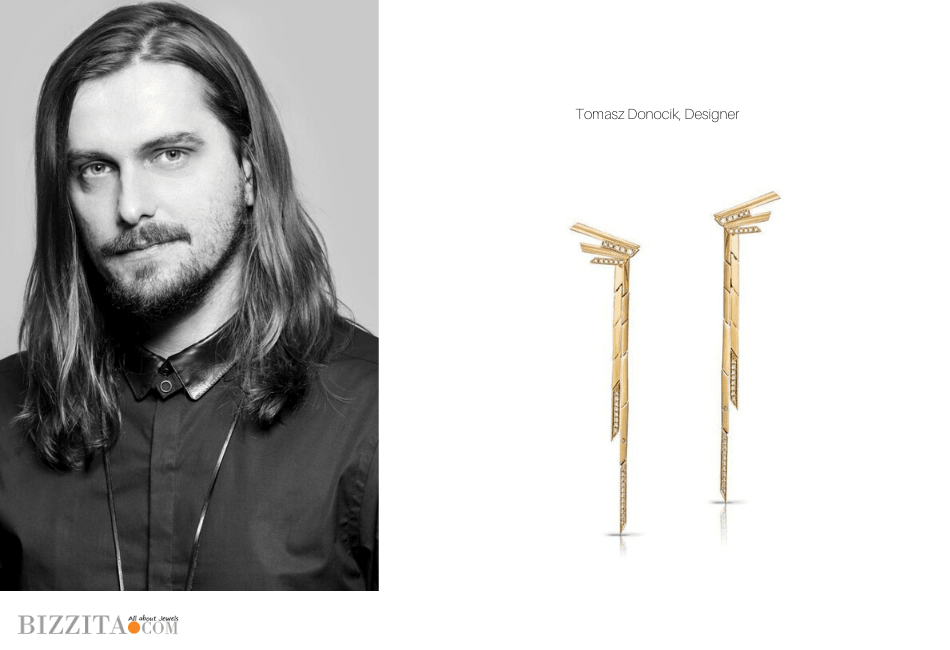
- Tomasz Donocik, designer
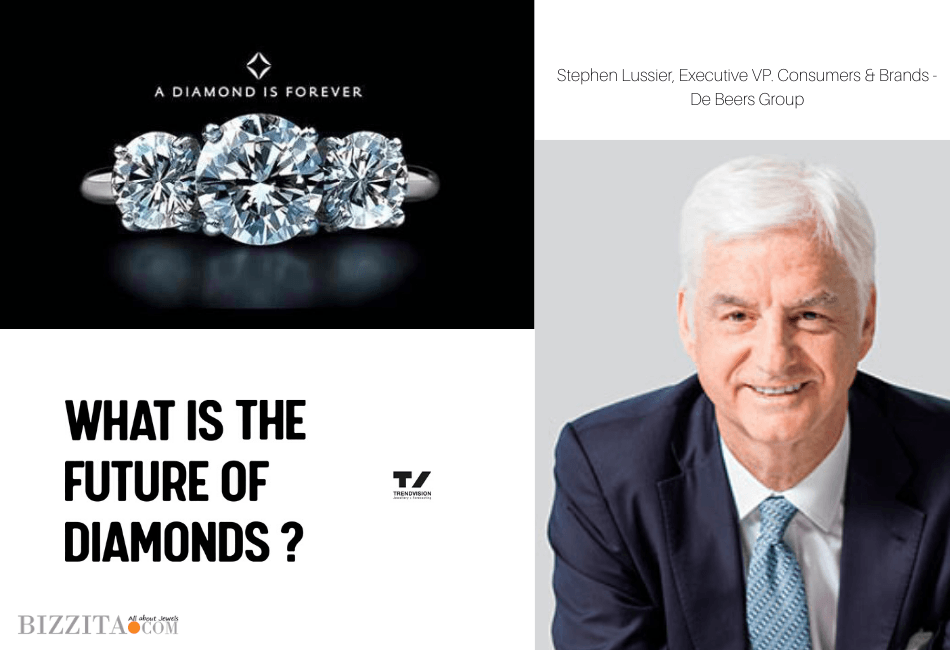
- Stephen Lussier, Executive VP Consumers and Brands, De Beers Group
- Pramod Agarwal, GJEPC Chairman
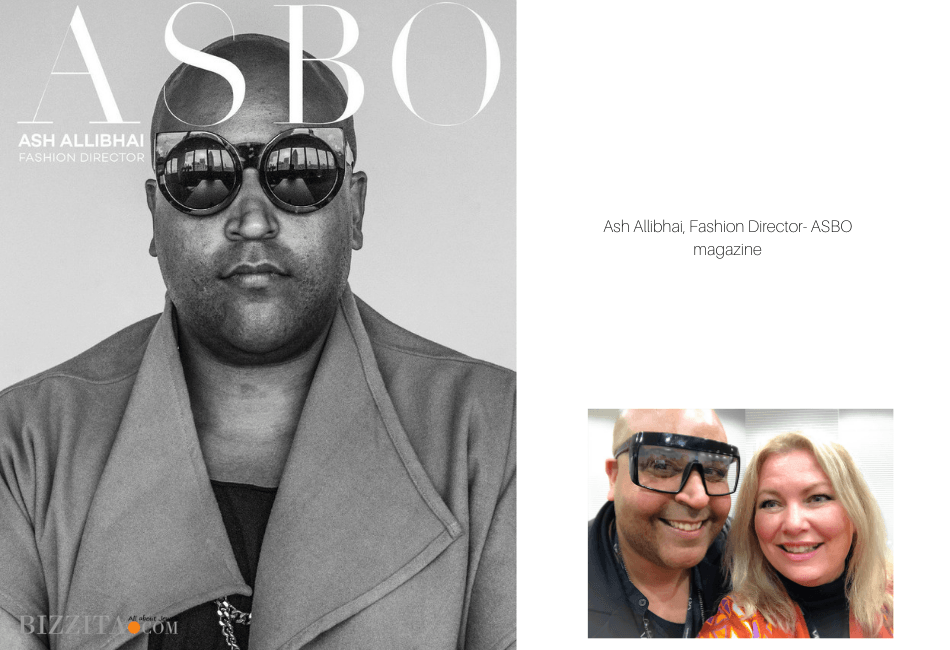
- Ash Allibhai, Fashion Director, ASBO magazine
Marketing: we still don't get it
For me, the most important thing was to give something to the audience to think about, or to take away as inspiration. Too many times, seminars, workshops and talks tend to focus on talking too much about the person or brand itself, while giving far too little of actual value to the listener.
In marketing today, it's all about listening and engaging with your targeted audience. It's not about sending, but about receiving and then giving people content that really solves problems, inspires them and adds value to what they find valuable. Easier said than done. But it's the only way.
Would we be able to do that as a panel to a crowd of journalists, buyers, designers, manufacturers and brands? Or would we lose ourselves in the ongoing bickering between natural diamonds and lab-grown diamonds? Let's dive into the Future of Diamonds Talk on the morning of the 18th of January 2020.
Let's talk about diamonds
After a welcoming word by Marco Carnielo and a short speech by Gaetano Cavalieri, President of CIBJO, Pramod Agarwal from GJEPC India got a moment to share something about their values. David Brough from the Jewellery Outlook, a valued colleague of mine, was appointed moderator by Paola de Luca, the well-known jewelry trendwatcher who travels all over the globe to share her views on upcoming trends and guidelines with manufacturers and brands.
Paola is a force of nature: a woman with incredible energy and charisma. Seated on the other side, she played, with her usual passion, the disrupter. We knew beforehand that emotions run high when it comes to diamonds, but we wanted it to be lively and exciting. Engage the public!
Lab-grown versus natural? Both valid, let's move on
We spent a little too much time focused on the battle between lab-grown and natural diamonds. Some people believe in lab-grown, some are somewhere in the middle, and some are passionately against the whole idea.
At this moment, we don't seem to be able to have an inspiring conversation about the future of diamonds without a somewhat heated discussion on lab-grown versus natural. However, the real threat of lab-grown is not the product itself: it's the fact that there are people in this business who are not trustworthy. Trust was one of the significant issues we talked about. We want the consumer to trust us, and it's vital for the future of the diamond jewelry industry that they do. Yet manufacturers still receive especially smaller-sized natural diamonds mixed with lab-grown from suppliers.
There are people like Mehul Choksi and his nephew Nirav Modi, big names in the jewelry world, who sold lab-grown as natural diamonds. The price gap between both types is significant. This was a high-profile case, but I heard years ago about jewelers on Aruba selling lab-grown diamonds to American cruise tourists as natural. This is what hurts our business most. We should be able to punish immediately every person who deliberately misleads consumers, B2B or B2C, and communicate clearly to media, bloggers, vloggers and others about how we do this. We need to create content. I am one such content creator with my own reach, and I am still waiting for better information from the authorities in charge.
Inclusivity is everything, and it means more than you think
One of the most important outcomes is that we all agreed: the future of diamonds is bright. But not D-flawless bright. Inclusivity is the next big thing. I also believe that we need to let go of the idea of diamonds being the ultimate symbol of love. Sure, there will always be a large group of people who turn to diamonds for their engagement rings or for the special moments they want to celebrate with a beautiful piece of jewelry. But inclusivity means two things in this particular case.
First, Millennials and more so Gen Z are all about inclusivity: celebrating body positivity and including people of all races, ages, gender and sexual preferences. Second, it means that we embrace imperfect diamonds. From fluorescent diamonds to salt and pepper diamonds and everything in between. Companies such as Le Vian turned less-valued brown diamonds into Chocolate Diamonds and added value through design and marketing. But for far too long, we have been focused on color and on diamonds being as flawless as possible.
Stephen Lussier of De Beers said that De Beers now offers all colors and actually sees value in no longer focusing on those four C's.
Stephen Lussier was called out by Barbara Palumbo, jewelry and watches journalist from the US, about the 'Real is Rare' campaign. Although he tried to explain where the DPA was coming from, he also agreed that it totally failed. Barbara pointed out that the campaign showed models, far too perfect, of different ages, with clear help of botox. How real is that? Although it's inevitable to make mistakes in business, this is precisely what I talked about earlier: older men creating marketing for jewelry. With all due respect, they need to get broader groups involved: women, people from the LGBTQ community, young people, older women, mothers, bloggers, to review these campaigns. Call me. I would be more than happy to give my input.
Big opportunities for non-gender-specific diamond jewelry
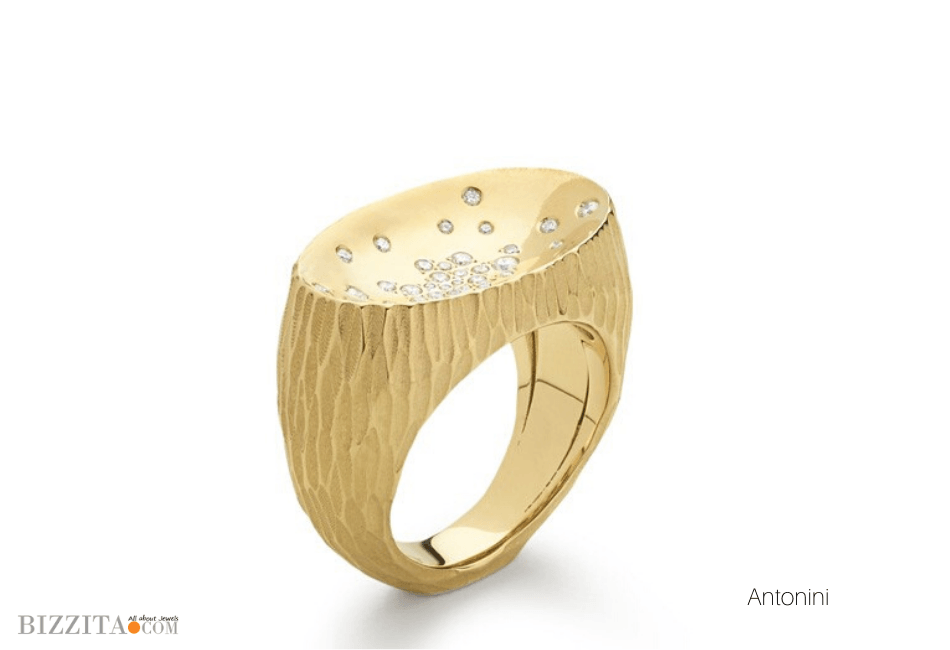
London-based designer Tomasz Donocik showed the audience his vision for diamond jewelry design and told me afterward that he doesn't market anything as female or male. His bracelets are unisex, and this is one of the big takeaways about the future of diamonds: genderfluid design. Not specifically male or female, but for people. All kinds of people. Personally, I love this idea, and I think it will be more prominent than we can imagine now.
We need to tell better stories about diamonds to consumers
I tried to convince the audience, and the diamond world specifically, that the consumer today still has blood diamonds in their mind. They have no idea how our industry thinks about sustainability, human rights and working conditions. What about the holes in the ground? The impact on the planet? On top of that, we fail to explain to them the difference between lab-grown and natural diamonds.
Both have an absolute right to exist, and we need to explain, without condemning one or the other, what the difference is. We congratulate ourselves on how well we do everything and how we communicate, but outside of our professional bubble, people have no clue. We have absolutely failed to be transparent and to provide useful information.
Talking badly about lab-grown or natural diamonds hurts the whole jewelry industry
One thing I couldn't bring to the discussion but really wanted to mention: we do nobody a favor when talking derogatorily about lab-grown diamonds. Lightbox, a lab-grown diamond brand launched by De Beers, has one of the most beautifully designed websites I have come across. Transparent, easy to navigate, beautifully designed. But it promotes its jewelry for a young audience that won't mind taking their "not so precious" lab-grown diamond to the beach. The message: if you lose it, no worries, it wasn't a precious stone to begin with.
That's incredibly tone-deaf and condescending. Jewelry is almost always emotion. It means something to people, and for the largest portion of consumers, a 400, 600 or 800 dollar ring is a lot of money.
Love and diamonds
The famous line "A Diamond is Forever" brought big business to De Beers and to everyone working with diamond jewelry. But times are changing, and we see a whole group of people who choose design first and put the diamond in second place. Or consumers who decide to go for entirely different gemstones, because it resonates more with their values and their ideas about symbolism. It suits the new generations very well not to go along with a marketing idea about what love is and what brands say we should buy to seal that love. They choose a different path. Their own.
The real competition: other luxury goods
Thierry Silber of Madestones said that as soon as we stop bickering over lab-grown versus natural, we can focus on the real competition: other luxury goods. He is right. If we fail to enchant the consumer, we will lose them to handbags, sneakers and experiences. Jewelry is the ultimate personal luxury. The gratification that comes from buying, owning and wearing a piece of jewelry cannot be compared to a bag or sneakers, however lovely those are too. Jewelry is far more emotionally entangled in people's lives. It becomes part of their personality. Part of their story. We should always keep this in mind and provide jewelry that is relevant to who they are, what values they hold, what visions on life, love and spirituality they carry.
Excitement in the room
With six panel members plus Paola and David, it was hard to get all ideas across in the time available. But the room was filled with excitement, and people were genuinely engaged with the conversation. Here and there, people started to applaud.
Takeaways from the panel
- Diamonds have a fantastic future, but the industry needs to earn it.
- Embrace imperfection as the new perfection: fluorescent, salt and pepper, brown, all have a place.
- Stop the lab-grown versus natural bickering and start creating better content and marketing.
- Sustainability is key. It was a focal point of almost every Talk and event at VicenzaOro.
- Diamond traceability is close. Tracer is one such development, and there will be others.
- Non-gender-specific jewelry design is a significant and underexplored market.
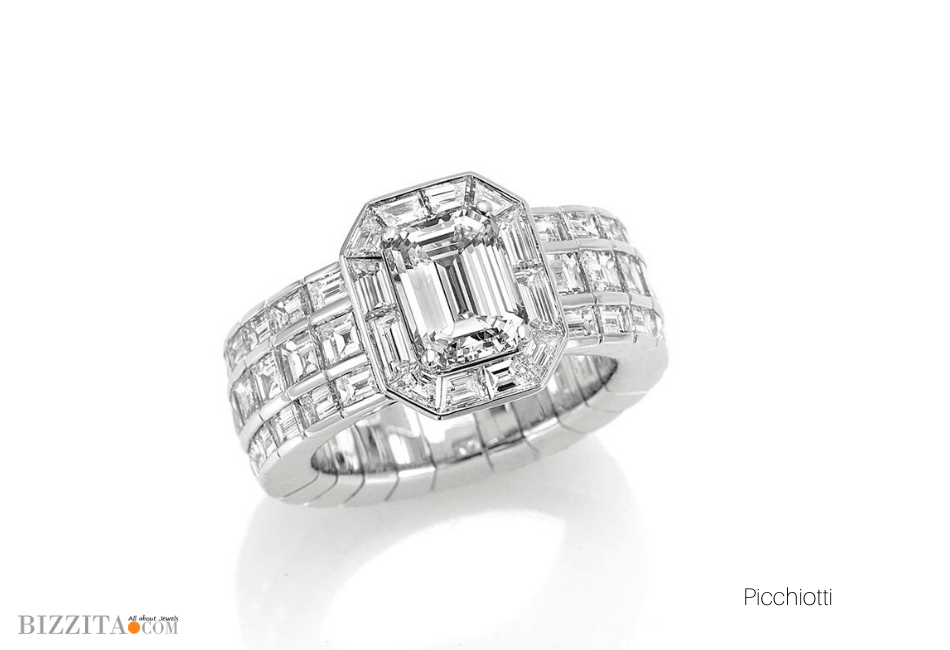 https://www.bizzita.com/images/businessblog/Future_Of_Diamonds_TRENDVISION/FutureDiamondsEstherLigthartBizzitaVicenzaOroPanel.pngPicchiotti.png Rename to: future-diamonds-esther-ligthart-vicenzaoro-panel-picchiotti.jpg Alt text: Esther Ligthart at VicenzaOro Future of Diamonds panel with Picchiotti backdrop [Note: original filename contains ".pngPicchiotti.png" which is a naming anomaly. Verify the file is accessible.]
Proud of VicenzaOro
I am really proud of VicenzaOro. This show does so much to provide more and more value to its visitors. For the first time, the VO Vintage Room was launched, open to the public. I took a sneak peek and loved it: beautiful vintage pieces from big names and watches that will make collectors and enthusiasts drool. The show hosts numerous talks and is genuinely open to ideas about how to give even more value to their visitors.
A thank you
Thank you, Paola de Luca, for the invitation and for being that warm whirlwind of female empowerment, wisdom and passionate creativity. David Brough for leading the conversation and for taking care of me when I shared my nerves. Thanks to Pramod Agarwal for being so kind as to share your personal thoughts on how to speak in front of an audience beforehand. Thanks to Thierry Silber for being there and sharing your views and visions, even when you got "speldenprikjes" (pinpricks) throughout the lab-grown conversation. Thanks to Stephen Lussier, who told me to picture five friends in the kitchen and share my points of view with them, when I mentioned my slight fear of speaking in front of an audience, and for contributing to this vivid conversation with his rich experience in the diamond world. Thanks to Tomasz, who talked so coolly about his vision for diamond jewelry design (check him out, his jewelry rocks!). Thanks to Ash Allibhai: we met half an hour before the Talk and immediately started chatting as if we'd known each other much longer. The jokes and laughs, loved it. And thanks to VicenzaOro for inviting and hosting me, to my colleagues for a great time together, and to the audience and to you, the reader. We really need to share, collaborate and help each other, in order to allow the jewelry world to sparkle like never before.