The Challenges of Buying and Selling Colored Gemstones – And the Shift Toward Transparency

In November 2023, I traveled to Sri Lanka to witness the mining and trading of sapphires. It was my first mining experience, and one day later, I sat in a gemstone dealer's office in Bangkok. I found the world of colored gemstones dazzling, but behind the beauty lies a complex and often opaque industry. Unlike diamonds, which have a relatively structured market with transparent grading systems, the colored gemstone trade is much more fragmented and unpredictable.
Ask a gemstone dealer about a stone's origin, and you may get a confident answer. Or a shrug. Prices vary wildly from one dealer to another. Treatments that enhance a stone's appearance may or may not be disclosed. And as much as the industry prides itself on its traditions, the way gemstones change hands is still primarily based on trust and informal networks.
This means uncertainty for buyers and navigating a marketplace that feels, for sellers, like something of a Wild West. But change is coming, and transparency is emerging as the key to a fairer, more efficient gemstone trade.
A Market Without a Rulebook
One of the biggest challenges in trading colored gemstones is the lack of standardized pricing and verification. Colored stones are valued based on a mix of factors: rarity, demand, origin, and whether they have been treated or enhanced, leading to significant price variations. Without a universal pricing structure, a sapphire of similar quality might be priced dramatically differently depending on who sells it and where.
Experts in the field have long highlighted this issue. The CIBJO Gemstone Book, a guide on ethical trading practices, emphasizes the need for full disclosure when selling gemstones. However, buyers often have to depend solely on the seller's word, particularly when purchasing stones at trade shows or through traditional dealer networks.
And let's not overlook the sheer complexity of gemstone origins. A Burmese ruby can fetch a significantly higher price than a ruby from Mozambique, even when their quality is comparable. However, determining a stone's exact origin is often more opinion-based than fact-based, as gemstone certifications don't always provide definitive proof of where a stone was extracted. The lack of traceability can make it challenging for buyers to confirm whether they are genuinely receiving what they have paid for.
The Industry's Struggle with Standardization
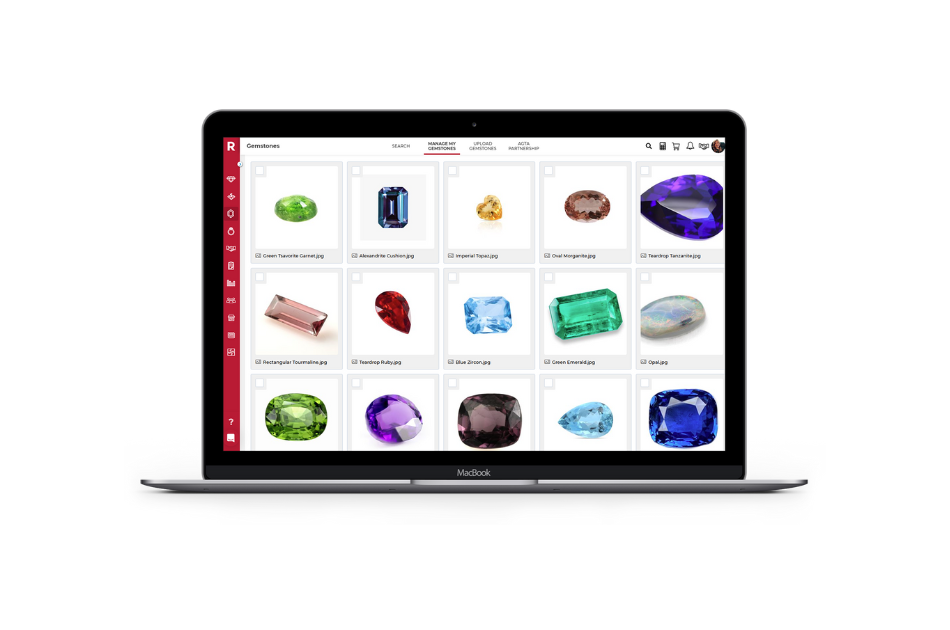
There have been efforts to bring more structure to the gemstone trade, but the industry remains far from a unified system. Organizations like CIBJO (the World Jewellery Confederation) have developed guidelines, such as the Gemstone Book, which attempts to create a common language and disclosure requirements across global markets. Meanwhile, major gemological laboratories like the Gemological Institute of America (GIA) use standardized grading systems for both diamonds and colored stones.
Yet, despite these efforts, standardization remains a challenge:
- Varying Terminology – Trade names and marketing practices can create confusion. For example, "Paraíba tourmaline" originally described copper-bearing tourmalines from Brazil, but it is now used more broadly to refer to similar stones from other locations.
- Different Disclosure Requirements – Some countries mandate full disclosure of treatments (like heating or filling), while others have looser regulations.
- Diverse Grading Systems – Unlike diamonds, which follow the well-established "Four Cs" grading system, colored gemstones lack a single universal grading standard.
- Origin Determination – Laboratories sometimes disagree on a stone's origin because different testing methods can yield different results.
- Natural vs. Treated vs. Synthetic – Not all sellers clearly communicate whether a stone is untreated, enhanced, or lab-grown, leaving consumers with limited information.
So, while some standardization exists, regional differences, marketing practices, and inconsistent adoption across the industry mean that buying and selling gemstones still requires significant expertise and a fair amount of trust.

Transparency and Trust – The Industry's Biggest Hurdles
Beyond ethical concerns, there's also the issue of how stones are traded. Traditionally, gemstone transactions occur in face-to-face negotiations at trade shows, dealer offices, or through trusted networks. While this fosters close industry relationships, it also makes it difficult for new buyers to enter the market, or for buyers and sellers to verify a stone's history with certainty.
Fraud is another risk. Because colored gemstones don't have a central registry or tracking system, buyers sometimes receive stones that are misrepresented in terms of origin or treatment. A dealer might sell a heated sapphire without disclosing the treatment, or pass off a lab-grown stone as natural to an unsuspecting buyer.
Market volatility and pricing inconsistency are among the biggest concerns for buyers and sellers alike. With no centralized price reference, sellers navigate a market where pricing varies widely, and buyers must rely on expertise and trust.
A Shift Toward Digital Solutions and Verified Trading
For decades, the diamond industry has benefitted from structured marketplaces and pricing transparency. Buyers and sellers can access standardized reports, verified inventories, and a clear understanding of value. The colored gemstone market, however, has lagged behind.
The need for a secure, transparent, and efficient way to trade colored gemstones has never been greater. With increasing demand for sapphires, rubies, and emeralds, and a surge in digital transactions, gemstone professionals are looking for a platform that provides the same level of reliability that already exists for diamonds.
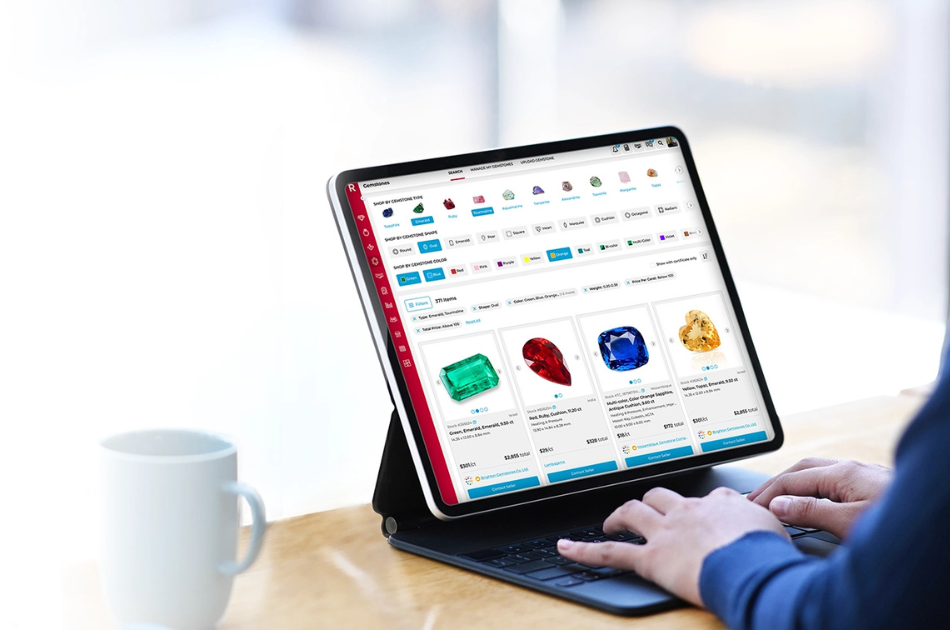
RapNet's new colored gemstone trading platform, launched in cooperation with AGTA, is designed to bring structure and security to the historically fragmented gemstone trade.
24/7 Marketplace
RapNet ensures that the colored gemstone market never sleeps. Buyers can find the right gem anytime, while sellers can connect with new clients beyond the limits of trade shows. The 24/7 online trading network means the right gemstones are always within reach, wherever and whenever the industry needs them.
What makes this different?
Instead of relying on traditional dealer networks and informal transactions, RapNet allows buyers and sellers to connect in a verified digital marketplace, ensuring:
- Transparency – Every gemstone listing includes essential details such as treatment disclosures, origin information (when available), and transparent pricing from sellers, reducing uncertainty for buyers.
- Efficiency – No more endless back-and-forth negotiations or waiting for responses. With instant transactions, businesses can trade gemstones in real-time.
- Availability – Trade colored gemstones anytime, anywhere with RapNet's 24/7 online marketplace.
Exclusive Offer: Free Membership Until June 2025!
To celebrate this launch, RapNet is offering free RapNet Gemstones membership until June 2025. This is a rare opportunity to test the platform, explore trading options, and build new business relationships at no cost.
And so...
The colored gemstone trade is evolving. While challenges remain, including pricing and sourcing concerns and a lack of standardization, there is momentum toward a more open, verified, and accessible market.
Buyers and sellers are beginning to demand better tools, clearer sourcing, and fairer pricing models. Whether through technological innovations like RapNet's colored gemstone platform or greater industry-wide awareness, the shift toward transparency is inevitable. And in a world where consumers are asking more questions than ever about what they're buying, the industry would do well to embrace this change.