Sustainability in jewelry: nature, regulations, and future-proofing

Why nature has become a business issue for jewelry
In the jewelry world, beauty is born from nature. Gold, gemstones, pearls: all treasures from our planet. Yet nature is no longer just our supplier. It is becoming our regulator. Two recent reports, Positive Luxury's Nature's Capital and the Watch and Jewellery Initiative 2030's Nature Roadmap, make it undeniably clear that nature's health is now a business imperative, not just an ethical nicety.
These reports might feel abstract for many jewelers, especially those running small stores, ateliers, or independent brands. No customer has ever walked in asking about biodiversity, and few, if any, questions were asked about where the water used in refining came from. Yet change is coming. Regulation is catching up. Transparency will no longer be optional.
And honestly, should we wait until the law tells us to do better?
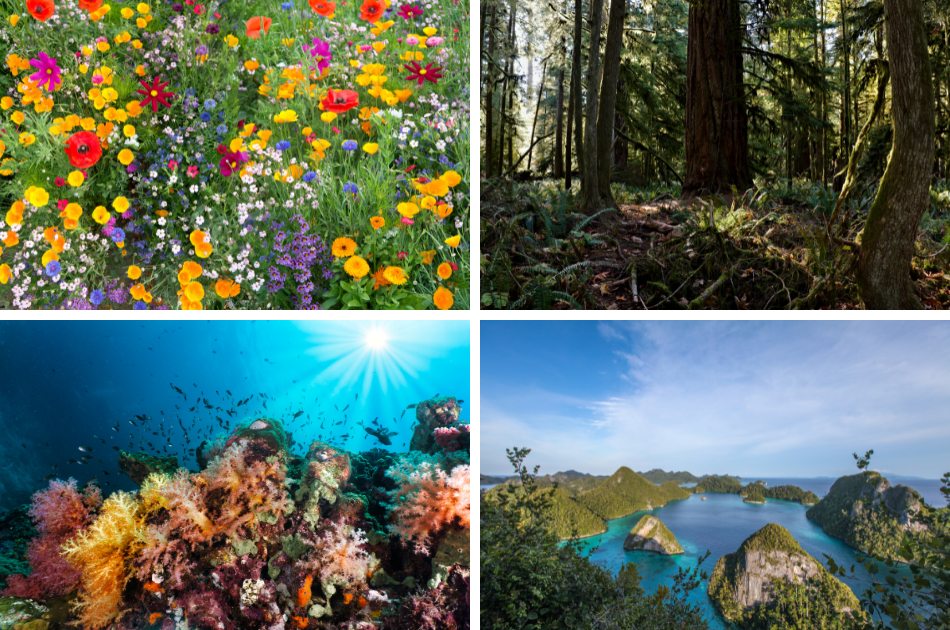
The jewelry sector's dependence on nature
The jewelry sector's reliance on nature is deep and complex. We depend on ecosystems for precious metals, whose mining impacts landscapes, water, and biodiversity; for gemstones, from diamonds to colored gems, where sourcing shapes both people and planet; and for pearls, which require healthy oceans and careful stewardship.
Yet the industry also contributes to deforestation, water pollution, and loss of biodiversity through extraction, processing, and sometimes even marketing practices.
Nature underpins luxury, but it is fragile. Over 50 percent of global GDP depends on ecosystem services. According to Positive Luxury's report, six out of nine planetary boundaries — those essential to a safe and stable Earth — have already been crossed. This is not an abstract environmental concern. This is about the future of your business.
Why regulations are arriving now
The jewelry industry will not be exempt because regulators, investors, and consumers are aligning. New EU directives such as the CSRD will impact over 50,000 companies by 2030, and even smaller businesses will feel the ripple effects through supply chains. The Taskforce on Nature-related Financial Disclosures (TNFD) expects companies to disclose nature-related impacts. The EU Nature Restoration Law sets binding targets to restore 20 percent of land and sea by 2030.
Your peers in luxury are already moving ahead. It is time to catch up.
From compliance to opportunity
These reports highlight an urgent truth: sustainability is no longer just about emissions or packaging. It is about nature itself. And it is about future-proofing your business.
Key findings from the reports:
- More than half of global GDP relies on healthy ecosystems, and jewelry relies on materials directly tied to land, water, and biodiversity.
- 91 percent of industrial businesses are already affected by resource scarcity.
- 86 percent of countries risk ecosystem collapse due to biodiversity loss.
- 20 percent of consumers actively avoid brands harming biodiversity.
- Private finance for nature has surged 11 times since 2020.
- Nature-positive solutions could unlock $10.1 trillion in annual business opportunities and savings by 2030.
Companies acting early will lead in innovation, efficiency, and consumer trust. Nature-positive practices reduce costs, open new markets, and attract talent.
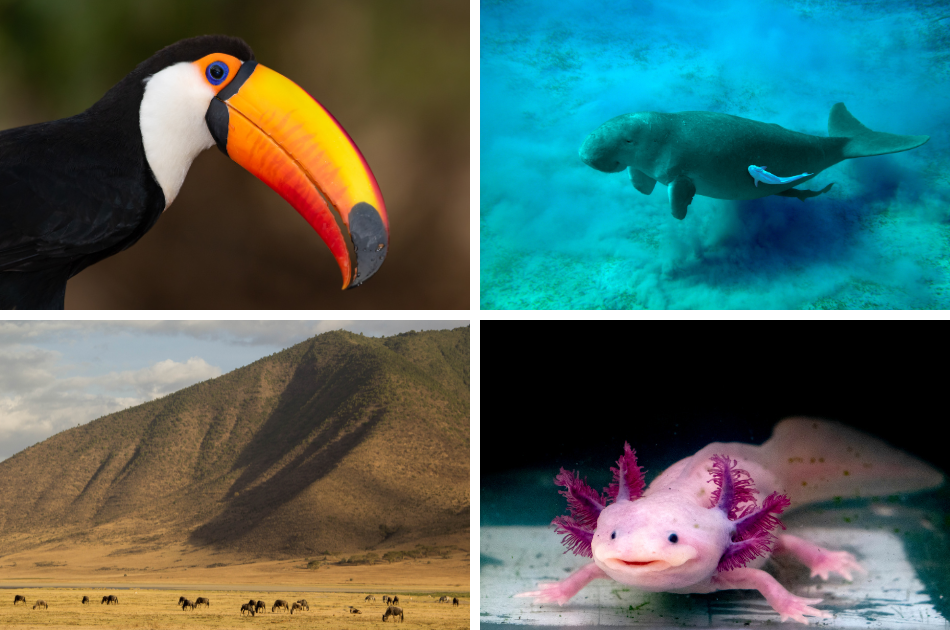
What 'nature positive' actually means
'Nature positive' is not just minimizing harm. It is about reversing biodiversity loss: leaving ecosystems in better shape than we found them. This includes avoiding harm, reducing impacts, restoring ecosystems, and supporting regeneration.
Practical steps to start today
Both reports offer roadmaps. For jewelry businesses, from single artisans to global brands, this is not about overhauling everything overnight. It is about moving step by step.
1. Assess your impact and dependencies
Where do your materials come from? How is nature involved, directly or indirectly, in your value chain? These questions are the starting point, not the finish line.
2. Commit to improvement
Engage with organizations like CIBJO, WJI 2030, Positive Luxury, RJC, and NDC. Set realistic goals: reduce virgin material use, support restoration, and prioritize traceability.
3. Transform your practices
Source responsibly. Choose partners aligned with ethical sourcing. Consider recycled metals, lab-grown diamonds, or verified supply chains.
4. Disclose transparently
Start simple. Share your journey openly, even the imperfect steps. Prepare for future reporting requirements before they become urgent.
5. Collaborate widely
No single business can solve this alone. Organizations like WJI 2030, CIBJO, and RJC exist to help you align rather than struggle in isolation. Sharing knowledge across the supply chain is essential to real progress.
Why even small jewelry businesses should care
It is easy to feel this is for the big brands. Your clients may never ask about provenance or biodiversity. But legislation will affect you sooner than you think, through the supply chain if not directly. More importantly, you have a choice. Do you want to wait to be forced to act, or do you want to lead by example?
Your story can become your strength: a story of responsibility, care, and stewardship that your customers will respect.
From extraction to regeneration
I know this industry. I have been in it for over three decades. I know how many jewelers think: this does not apply to me. Yet it does. Every action counts. From the mines to the boutiques. From sourcing to selling.
We owe it to our craft, our heritage, and the beauty we create to ensure that what we take from nature, we also protect.
Because in the end, jewelry is not just about adornment. It is about legacy.